
Essential Tree Safety Tips to Prepare Your Norfolk Property for Hurricane Season
8/30/20264 min read

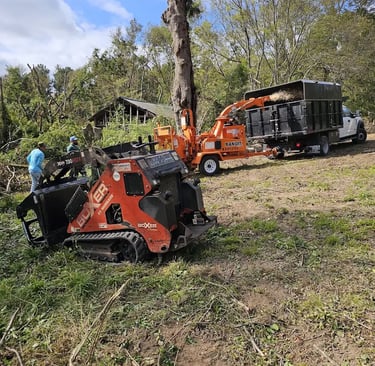
Understanding the Risks: Why Tree Safety is Crucial During Hurricanes
During hurricane season, trees can become significant hazards for homeowners, especially in regions such as Norfolk where storms can bring intense winds and heavy rainfall. High winds can lead to falling branches or, in severe cases, entire trees becoming uprooted. This poses a serious threat not only to property but also to the safety of individuals within the vicinity.
Assessing tree health is a critical component of property preparedness for hurricane season. Trees that exhibit signs of decay, weakness, or disease are more prone to fail under the strain of adverse weather conditions. For example, a tree with a compromised root system may not withstand strong winds, leading to increased risk of it toppling over. Homeowners should thoroughly evaluate their trees before the onset of hurricane winds. This includes checking for cracked branches, unstable growth, and signs of rot.
Moreover, the impact of falling branches or trees on personal property can be devastating. Damage to roofs, vehicles, and surrounding structures can occur swiftly and with little warning. Not only does this result in costly repairs, but the potential for personal injury also escalates significantly, especially if individuals are caught outside during such events. Thus, understanding the risks associated with tree health and stability can lead to proactive measures that protect both property and lives.
In light of these dangers, homeowners in Norfolk should prioritize tree safety as part of their hurricane preparedness plan. Regular maintenance, including pruning and the removal of dead or weakened trees, is essential. Engaging with tree care professionals can provide expert insights into which trees are resilient and which may pose a risk, ultimately fostering a safer environment during storm season.
Assessing Tree Health on Your Property
Evaluating the condition of the trees on your property is a crucial step in preparing for hurricane season. Healthy trees can withstand strong winds and heavy rain, while unhealthy trees may pose a risk of falling. Therefore, regular assessments are recommended, especially before storm season.
One of the first signs to look for when assessing tree health is the presence of dead or dying branches. These branches not only indicate that the tree may be struggling but are also potential hazards during high winds. A gentle shake of the branches can help determine if they are solid or brittle. If they break off easily, it may suggest that the tree is not healthy.
Another key aspect to monitor is the tree’s foliage. Trees should have a lush canopy of leaves. Sparse or discolored foliage can be indicative of stress or disease. Additionally, watch for unusual growth patterns or bark that appears damaged, as these may signal underlying health issues.
Root rot is another serious concern that can compromise tree stability. Symptoms include mushrooms or fungal growth near the base of the tree or soil that appears excessively wet. To assess root health, you may need to excavate a small section of soil around the tree to inspect the root system for decay or damage.
When you observe any concerning signs, it is prudent to consult with a certified arborist. These professionals are equipped to evaluate tree health comprehensively and can provide recommendations on necessary treatments or removals. Regular tree evaluations, especially before hurricane season, will help maintain not only the aesthetic appeal of your property but also its safety during adverse weather conditions.
Preventative Measures: Pruning and Maintenance Practices
In the face of approaching hurricane season, it is essential for property owners in Norfolk to implement a robust tree maintenance plan. Maintaining tree health and stability can significantly reduce the risk of damage to property during severe storms. One of the primary proactive steps is pruning, which involves the strategic removal of specific tree parts to promote healthy growth and mitigate hazards.
Tree pruning should ideally be conducted during late winter to early spring before new growth begins. This timing allows trees to recover quickly and adapt to their environment. For safety and health, it is important to remove any dead, damaged, or diseased branches, as these are the most likely to become projectiles during high winds.
When pruning, it is crucial to make clean cuts using sharp tools to avoid injuring the tree. Trained arborists recommend cutting back branches that overhang structures or are too close to utility lines. Additionally, thinning the canopy can help wind pass through the tree more efficiently, minimizing potential snapping or uprooting during storms.
It is also beneficial to assess the overall structure of the tree. Any weak or improperly formed branches should be removed to prevent them from breaking during extreme weather. This process of identifying and addressing structural weaknesses is a critical aspect of tree maintenance. Moreover, owners should consider conducting a thorough inspection after any significant storm to determine if additional maintenance is required.
In summary, effective pruning and maintenance practices significantly contribute to tree health and stability, preparing them—and your property— to better withstand the forces of hurricane season. By planning and executing these preventative measures diligently, property owners can enhance the resilience of their trees against severe weather conditions.
Emergency Preparedness: Planning for Tree-Related Incidents
As hurricane season approaches, it is essential for property owners in Norfolk to prepare for the possibility of tree-related incidents that could arise during severe weather conditions. A well-structured emergency plan will not only help mitigate potential damage but also facilitate a swift response in the event of a tree emergency.
First and foremost, securing heavy outdoor items is crucial. Strong winds can easily displace furniture, grills, and other outdoor fixtures, which may become hazardous projectiles if not properly stored. Consider relocating these items to a secure location, such as a garage or shed, and ensure that any movable planters or decorations are anchored or brought inside.
Additionally, knowing your local emergency services is vital. Familiarize yourself with the contact information for local fire departments, police stations, and emergency management offices. This knowledge will enable you to act quickly—whether it involves reporting downed power lines, fallen trees blocking roads, or any other urgent situations that arise during a storm.
Furthermore, it is prudent to have a comprehensive list of resources at hand for tree removal and property damage assessment. Research and create a list of professional tree removal services that are available in your area, as well as trusted contractors who specialize in storm damage repair. Ensure these contacts are readily accessible, preferably both on paper and digitally, so that you are prepared regardless of the circumstances.
In conjunction with these preparations, it is wise to assess your property regularly prior to hurricane season. Identify trees that appear unhealthy or are positioned precariously close to structures. Proactive measures, such as trimming branches or even removing unstable trees, can significantly reduce the risks associated with high winds or flooding.
Implementing these emergency preparedness strategies will provide peace of mind as you approach hurricane season. Be proactive and prioritize your safety and that of your property by planning adequately for potential tree-related incidents.
Contact
Phone
© 2026. All rights reserved.
1195 S High St , Harrisongburg, VA 22801.