
5 Warning Signs That Your Norfolk Trees May Not Survive the Next Big Storm
8/30/20268 min read

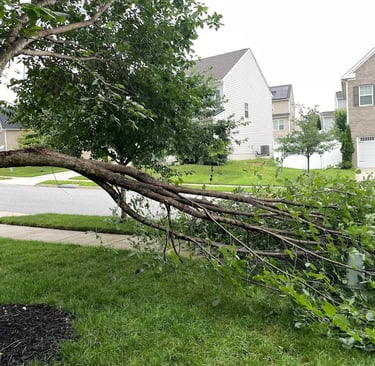
Introduction to Norfolk Trees and Storm Preparedness
Norfolk’s diverse landscape is characterized by a variety of tree species essential to the local ecosystem. Understanding the particular types of trees prevalent in this region is vital, especially considering the unique weather challenges Norfolk faces, including high winds and heavy rain during storm seasons. Common species such as oak, sycamore, and sweetgum not only contribute to the area’s natural beauty but also play crucial roles in providing habitats for wildlife, improving air quality, and enhancing soil stability.
Each tree species in Norfolk has adapted to the local climate and soil conditions, underscoring the importance of these trees in maintaining ecological balance. However, storm preparedness requires a thorough assessment of tree health. The health of trees can significantly influence their resilience against severe weather. Poorly maintained trees are more susceptible to storm damage, potentially leading to hazardous situations when they lose branches or fall.
In the context of storm preparedness, regular tree assessments in Norfolk cannot be overstated. Property owners, community planners, and environmental organizations must prioritize monitoring the health of these trees to identify any signs of distress or declining health that could increase the risk of damage during storms. Initiatives focused on proper pruning, disease management, and regular inspection can mitigate risks significantly. Awareness cultivated in both individual and community contexts can lead to proactive measures that enhance tree durability against storm impacts.
In summary, recognizing the specific tree species in Norfolk and their ecological significance is pivotal in the broader conversation of storm preparedness. With the right focus on tree health, residents can not only protect their properties but also contribute to the preservation of their local environment through informed, proactive tree management practices.
Understanding Tree Health and Structural Integrity
The resilience of trees in the face of severe weather, including storms, is significantly influenced by their health and structural integrity. Several critical factors affect a tree's strength and ability to withstand adverse conditions like high winds, heavy rains, and other extreme weather phenomena. Understanding these factors is essential for tree care, particularly in regions prone to storms, such as Norfolk.
One major determinant of a tree's structural integrity is its age. Younger trees typically have more flexibility and can recover better from storm damage compared to older ones. However, as trees age, their wood becomes denser and more brittle, potentially increasing the risk of breakage during storms. Additionally, older trees may have a compromised health status because of past environmental stresses, diseases, or pests, which can further weaken their structural soundness.
The species of the tree also plays a vital role in its ability to endure storm conditions. Some species, such as oak and maple, are known for their strength and resistance to wind damage due to their dense wood and sturdy branching patterns. In contrast, other species, such as willows or poplars, may be more susceptible to uprooting and breakage due to their weaker structural characteristics. Therefore, selecting the right species for planting, especially in storm-prone areas, is crucial for long-term tree health.
Furthermore, previous damage can significantly influence a tree's ability to withstand future storms. Trees that have experienced damage from earlier storms or diseases may exhibit weaknesses that are not immediately visible. These prior injuries can compromise the tree's overall structure, making it more vulnerable in subsequent storms.
Overall, assessing tree health and considering factors like age, species, and past damage are essential steps in predicting their ability to survive severe weather events. Proper management and care can enhance a tree's resilience, ensuring that it remains a valuable part of the landscape for years to come.
Warning Sign #1: Cracks in the Trunk or Major Branches
One of the primary indicators that a tree may be at risk of failing during a storm is the presence of visible cracks in the trunk or major branches. These cracks can emerge for various reasons, including rapid growth, environmental stress, or internal decay. Identifying these fissures is crucial, as they can compromise the structural integrity of the tree, making it vulnerable to the high winds and heavy precipitation associated with storms.
Cracks often manifest in a number of forms, ranging from minor surface splits to more severe openings that expose the interior of the tree. When inspecting a tree, it is advisable to look for vertical or horizontal splits in the bark, as well as larger gaps that could indicate deeper issues. Pay close attention to the areas surrounding these cracks, as discoloration or oozing sap may also be present, further indicating decline.
The implications of these cracks are significant; they may signify the onset of structural instability and can lead to major branches or even the entire tree falling. This is particularly concerning for trees that are located near homes, power lines, or other valuable assets. If you notice cracking, it is important to consult an arborist who can assess the extent of the damage and recommend appropriate measures.
Furthermore, addressing any external factors contributing to the cracks—such as soil erosion or improper watering—will aid in the long-term health of the tree. Understanding these warning signs is essential for proactive tree management, ensuring not only the health of the vegetation but also the safety of the surrounding environment. Regular inspections should be considered as a part of maintaining the landscaping in Norfolk, especially in anticipation of severe weather events.
Warning Sign #2: Leaning Trees
Leaning trees are often a significant indicator that a tree may be at risk during a storm. Trees can lean due to various reasons, including soil erosion, poor root structure, or a natural tendency to grow towards sunlight. When assessing the condition of leaning trees, it is essential to understand the underlying factors contributing to their tilt.
One primary cause of a tree leaning is the instability of its root system. Strong winds or excessive rain can erode the soil around the roots, causing the tree to lose its upright posture. Additionally, if a tree is planted in nutrient-poor or overly compacted soil, it may struggle to develop a robust root system, leading to a higher risk of leaning. Regular assessments of the soil around the base of the tree can help identify potential issues before they become critical.
The risks associated with leaning trees are heightened during severe weather conditions, such as storms. A tree that is leaning significantly may be more prone to falling, especially if it has not developed a well-anchored root system. It's essential to look for signs of stress, such as cracks in the trunk or branches and any damage to the bark, as these could indicate that the tree is in poor health and more vulnerable during storms.
When evaluating a leaning tree, consider employing a few assessment techniques. The first step is to determine the degree of lean. If the tree leans more than 15 degrees from vertical, it may pose a risk and should be closely monitored. Additionally, observing the tree's canopy is crucial; if the leaves are concentrated on one side, this uneven growth could signify that the tree is reaching for light, which can further weaken its overall structure.
Lastly, consulting an arborist for a professional evaluation can provide insight into the tree's viability. They will assess the leaning tree's health and determine whether it requires corrective measures, such as bracing, removal, or replanting.
Warning Sign #3: Dead or Dying Branches
One of the most significant indicators of a tree's health is the condition of its branches. Dead or dying branches can pose serious risks, especially during severe weather events such as storms. These branches, when loosened by high winds, have the potential to break off and act as dangerous projectiles, threatening both property and personal safety.
Identifying dead or dying branches is crucial for tree health maintenance. Signs of distress include a lack of leaves during the growing season, brittle branches that snap easily, or bark that appears to be peeling or missing. Additionally, if a branch exhibits a sudden displacement or a change in color, it may signal decay or disease. It is important to conduct regular inspections of your trees, especially before storm season.
Once identified, the next step is to address these problematic branches. If the damage is extensive, hiring a certified arborist is advisable. These professionals can assess the overall health of the tree and recommend appropriate actions, including pruning or, in extreme cases, removal. Removing dead or dying branches not only improves the aesthetic of your tree but also significantly reduces the risk of injury during storms.
In some situations, it may be possible for homeowners to trim smaller dead branches themselves, provided they use the right tools and safety precautions. However, for larger branches or for trees situated near power lines, it is always best to consult with experts. Regular maintenance and attention to the signs of branch decay will aid in preserving the lifespan of your trees and ensuring safety during hazardous weather conditions.
Warning Sign #4: Fungal Growth and Pest Infestation
Trees in Norfolk, like those in many regions, are susceptible to various forms of fungal growth and pest infestations, both of which can significantly weaken their structure and vitality. Identifying these warning signs is crucial for preventing irreversible damage, particularly in the context of preparing for severe weather conditions.
Fungi can thrive in moist environments and may manifest as unusual growths on the bark, branches, or leaves of trees. Common fungi affecting trees in Norfolk include Armillaria mellea, which can cause root rot, and Ganoderma lucidum, often seen as shelf-like formations on tree trunks. The presence of these fungi may indicate underlying health issues or weaknesses within the tree that can exacerbate during a storm.
Pests, on the other hand, may be external as well as internal enemies to tree health. Infestations from insects like the Emerald Ash Borer or the Asian Longhorned Beetle can severely compromise a tree's integrity. Signs of pest issues may include chewed leaves, frass (insect droppings), or visible larvae. Healthy trees typically have robust defenses against such infestations, but weakened trees may be unable to resist, leading to accelerated decline.
Regular tree inspections can help detect fungal growth and signs of pest infestation early. Look for unusual spots on the bark or crowns that seem to be thinning out. If such signs are discovered, consulting with an arborist or forestry expert can provide necessary insights and potential remedies. Maintaining the health of your trees is essential, not only for their survival but also to protect surrounding landscapes.
Taking proactive measures to manage tree health will greatly increase their resilience against weather-related challenges. Recognizing and addressing fungal and pest issues early can make the difference between a thriving tree and one that succumbs to the next big storm.
Warning Sign #5: Poor Root System and Soil Issues
The health of a tree's root system is crucial for its overall stability and resilience, especially when facing severe weather conditions such as storms. Trees rely on their roots not only for nutrient absorption but also for anchoring themselves securely in the ground. A well-developed root system serves as the foundation that supports the tree’s weight and withstands the forces exerted by strong winds and heavy rain. Consequently, the presence of issues within the root system can significantly compromise a tree's ability to survive a storm.
To determine the condition of a tree's roots, it is essential to conduct regular inspections, focusing on visible signs such as swelling at the base of the tree or exposed roots. These signs may indicate a struggle for nutrients and stability. Another critical factor to consider is the soil condition surrounding the tree. Soil plays an integral role in the health of a root system. Well-drained, nutrient-rich soil fosters robust root growth, while compacted or waterlogged soil can lead to root rot, ultimately weakening the tree.
Landscaping practices, such as excessive pavement or construction near tree bases, can also damage the critical root zone and contribute to poor soil conditions, jeopardizing the tree's stability. Additionally, changes in soil pH can affect root health; for instance, overly acidic or alkaline soils may hinder a tree's nutrient intake, rendering it more vulnerable to external threats.
To mitigate these risks, it is advisable for tree owners to monitor soil moisture levels and consult with an arborist when significant problems arise. There are various measures available to enhance soil conditions, including aeration, adding organic matter, or even relocating the tree if necessary. By being proactive about root health and soil conditions, tree owners can significantly increase the chances of their trees weathering future storms, ensuring a thriving landscape for years to come.
Contact
Phone
© 2026. All rights reserved.
1195 S High St , Harrisongburg, VA 22801.